Neem Leaves Benefits, Neem Tree Benefits & Uses of Neem in Ayurveda – Healing Power Explained (Part-01)
Discover neem leaves benefits, neem tree benefits, and the uses of neem in Ayurveda. Learn what the uses of neem are and the health benefits of neem tablets for natural healing.
Ayurovia Editior
2/9/202611 min read
NEEM LEAVES BENEFITS - HEALING POWER EXPLAINED
Neem has been celebrated for centuries as one of the most powerful healing plants in Ayurveda. From transforming skin health to strengthening immunity, the neem tree benefits go far beyond what most people realize - earning it the title of nature's own pharmacy.
Many people today are actively searching for uses of neem in daily life, exploring traditional remedies, herbal medicine, and modern solutions like neem tablets. But what are the uses of neem that truly make it so remarkable?
In this article, we will deeply explore the neem tree benefits, the most effective uses of neem, neem tablets for natural healing, and how this extraordinary plant can elevate your overall well-being.
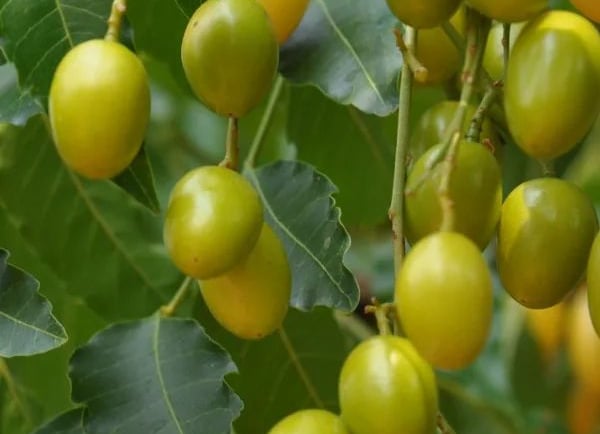
Table of Contents -Part 1
1. Introduction: Neem - The Village Pharmacy of India
In the sacred texts of Ayurveda, Neem (Azadirachta indica) holds a revered position as "Arishta"—the reliever of disease—and "Sarva Roga Nivarini"—the cure for all ailments. For over 5,000 years, every part of this remarkable tree has served humanity, from its roots to its leaves, earning it the title of "Divine Tree" in Indian tradition.
The ancient Sanskrit texts describe Neem as "Nimba," meaning "bestower of good health." This magnificent tree stands as a testament to nature's pharmacy, offering solutions for countless health conditions while simultaneously purifying the environment and protecting communities from disease.
Why Neem is Called the Village Pharmacy
Unlike modern medicine, which isolates single compounds, Neem works through the synergy of over 140 biologically active compounds. Ayurvedic wisdom recognized this holistic action thousands of years before modern science confirmed it. Traditional Indian villages were strategically planned with Neem trees at the center, providing shade, medicine, and environmental protection to entire communities.
The Sacred Connection: Neem in Indian Culture
Beyond its medicinal value, neem holds profound spiritual significance in Indian tradition:
Goddess Sitala's Tree: Associated with the goddess of smallpox and disease prevention
Wedding Rituals: Neem leaves are used in purification ceremonies
Festival Celebrations: An essential part of Ugadi, Gudi Padwa, and other spring festivals
Vastu Shastra: Recommended for planting in specific directions for positive energy
This deep cultural integration reflects the ancient understanding that neem protects not just physical health but overall well-being.


2. Neem in Classical Ayurvedic Texts
References from Charaka Samhita
The Charaka Samhita, one of the foundational texts of Ayurveda (circa 400 BCE), categorizes Neem under "Tikta Skandha" (bitter group) and "Krimighna Gana" (anti-parasitic group). Charaka describes Neem as:
Katu Tikta Rasa (pungent and bitter taste)
Laghu Ruksha Guna (light and dry properties)
Tikshna Virya (sharp and penetrating potency)
Kapha-Pitta Shamaka (pacifies Kapha and Pitta doshas)
The text specifically mentions neem in treating:
Kushtha (skin diseases)
Krimi (parasitic infections)
Jwara (fever)
Vrana (wounds)
Prameha (diabetes and urinary disorders)
Wisdom from Sushruta Samhita
The Sushruta Samhita (circa 600 BCE), the ancient text of Ayurvedic surgery, emphasizes Neem's wound-healing and antimicrobial properties. Sushruta recommended Neem decoctions for:
Purifying surgical instruments (Shastra Shodhana)
Cleaning wounds and ulcers (Vrana Shodhana)
Treating skin diseases (Kushtha Roga Chikitsa)
Managing parasitic infections (Krimi Roga)
Historical Surgical Practice: Ancient Indian surgeons used neem water to sterilize their instruments—a practice that predates modern antiseptic techniques by thousands of years.
Bhavaprakasha and Later Texts
The Bhavaprakasha Nighantu (16th century CE) provides detailed descriptions of Neem's therapeutic properties:
"Nimbah sheetah kushtha ghno jwarahrit krimih paharit | Durgandha nashanah panduh raktapittam vidahakrit ||"
Translation: "Neem is cooling, destroys skin diseases, removes fever and worms, eliminates foul odor, and is beneficial in anemia and bleeding disorders."
Ashtanga Hridaya References
The Ashtanga Hridaya, compiled by Vagbhata, describes neem as one of the best blood purifiers:
"Nimbam raktashodhanam shrestham." - "Neem is the supreme blood purifier."
This text provides specific formulations combining neem with other herbs for enhanced therapeutic effects.
Regional Ayurvedic Traditions
Different regions of India developed unique neem applications:
South Indian Siddha Medicine:
Neem is classified as "Veppam"—a cooling herb
Used extensively in detoxification therapies
Combined with coconut oil for skin treatments
Kerala Ayurveda:
Neem is integral to Panchakarma therapies
Neem-based medicated oils for massage
Specific seasonal usage protocols
North Indian Folk Medicine:
Neem leaves with jaggery for spring cleansing
Neem datun for dental health
Neem smoke for fumigation


3. Botanical Profile and Ayurvedic Properties
Scientific Classification
Sanskrit Name: Nimba, Arishta, Prabhadra, Pichumanda
Botanical Name: Azadirachta indica A. Juss
Family: Meliaceae (Mahogany family)
Regional Names:
Hindi: Neem, Nimb
Tamil: Veppam, Vembu
Malayalam: Aryaveppu
Telugu: Vepa
Kannada: Bevu
Bengali: Nim
Marathi: Kadunimb
Gujarati: Limbdo
Physical Characteristics
Tree Structure:
Height: 15-20 meters (mature tree)
Canopy Spread: 10-15 meters diameter
Lifespan: 150-200 years
Bark: Gray-brown, deeply fissured
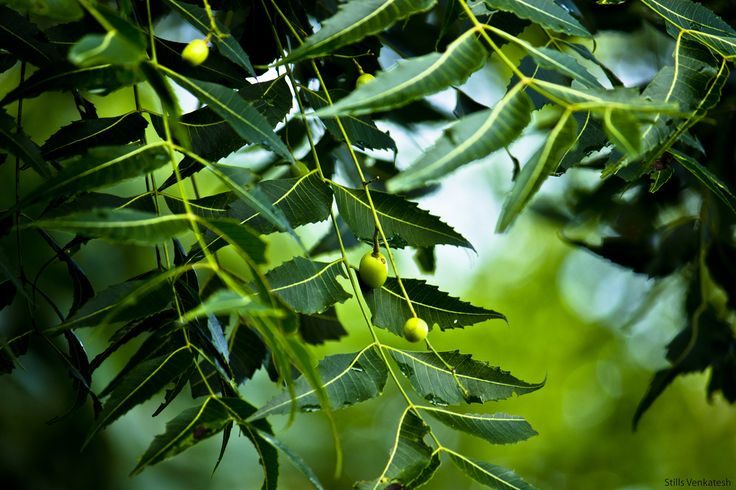
Leaves: Compound, pinnate, 20-40 cm long
Flowers: Small, white, honey-scented (March-April)
Fruits: Olive-like drupes, yellow when ripe
Ayurvedic Properties (Dravya Guna)
Property (Guna) Description Therapeutic Implication Rasa (Taste) Tikta (Bitter), Kashaya (Astringent), Katu (Pungent) Purifies blood, reduces inflammation Guna (Quality) Laghu (Light), Ruksha (Dry), Tikshna (sharp), easy to digest, reduces moisture, penetrates tissues Virya (Potency) Sheeta (Cooling) Reduces fever, inflammation, excess heat. Vipaka (Post-digestive effect) Katu (Pungent) Enhances metabolism, eliminates toxins Dosha Action Kapha-Pitta Shamaka, Vata Vardhaka Balances Kapha and Pitta, may increase Vata if used excessively
Primary Therapeutic Actions (Karma)
Ten Classical Actions:
Krimighna -Anti-parasitic, eliminates worms
Kushthagna -Cures skin diseases
Jwarahara -Reduces fever
Vranahara -Heals wounds
Kandughna -Relieves itching
Vishaghna -Anti-toxic, neutralizes poisons
Raktashodhaka -Purifies blood
Deepana -Kindles digestive fire
Shothaghna -Reduces swelling
Medohara -Reduces excess fat
Therapeutic Classification (Prabhava)
Beyond its basic properties, Neem possesses "Prabhava" -special potency that cannot be explained by taste or qualities alone. This makes Neem particularly effective in:
Blood purification (Rakta Shodhana): Removes deep-seated toxins
Toxin elimination (Ama Pachana): Digests and eliminates accumulated waste
Immune modulation (Vyadhi Kshamatva Vardhana): Enhances disease resistance
Skin healing (Tvak Prasadana): Improves skin health and complexion.
Active Chemical Constituents (Modern Understanding)
While Ayurveda works with whole plant synergy, modern science has identified key compounds:
Major Compounds:
Nimbin, Nimbidin, Nimbidol (anti-inflammatory)
Azadirachtin (insecticidal, anti-feedant)
Quercetin (antioxidant)
Salannin (insect repellent)
Gedunin (antimalarial)
Nimbolide (anti-cancer properties)
Note: Ayurveda emphasizes using the whole plant rather than isolated compounds for a balanced therapeutic effect.
4. Health Benefits of Neem Leaves (Patra)
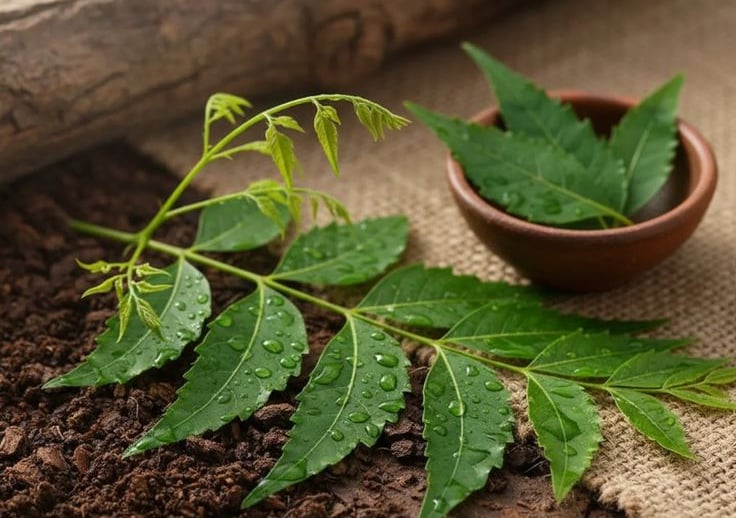
Neem leaves are considered the most versatile part of the tree in Ayurvedic practice. The tender leaves (Pallava) are especially potent during the spring season (Vasant Ritu).
Traditional Therapeutic Applications
1. Blood Purification and Skin Health (Rakta Shodhana)
Ayurveda considers most skin diseases as manifestations of impure blood (Dushita Rakta). Neem leaves work at the root level.
Internal Use Protocol:
Dosage: 4-5 fresh, tender neem leaves on an empty stomach
Duration: 40 days continuously, then a 15-day break
Best Season: Spring (March-May) and Monsoon (July-September)
Mechanism: Bitter compounds stimulate liver function and support detoxification
Conditions Effectively Treated:
Acne (Yuvan Pidika) - hormonal and bacterial
Eczema (Vicharchika) - chronic inflammation
Psoriasis (Ek Kushtha) - autoimmune skin condition
Fungal infections (Dadru) - ringworm, athlete's foot
Boils and carbuncles (Pidika)
Allergic dermatitis (Vataja Kushtha)
Clinical Observations:
Visible improvement in 2-3 weeks
Complete treatment requires 3-6 months
Best results with dietary modifications (avoiding sour, spicy foods).
2. Diabetes Management (Prameha Hara)
Classical texts describe Neem's blood sugar-regulating properties under the "Prameha Hara" category.
Mechanism According to Ayurveda:
Enhances Agni (digestive fire) without increasing Pitta
Supports pancreatic function (Klome).
Reduces excessive thirst (Trishna) and urination (Prabhuta Mutra)
Balances the Kapha dosha involved in diabetes
Modern Understanding:
Contains flavonoids that support glucose metabolism
May enhance insulin sensitivity
Helps prevent diabetic complications
Important Note: Use alongside prescribed medications, not as a replacement. Monitor blood sugar levels regularly.
3. Fever and Malaria (Jwara Nashaka)
Traditional fever protocol using neem:
Acute Fever (Navajwara):
Neem leaf decoction (Kwatha)—30-50 ml twice daily
Add black pepper powder for enhanced effect
Continue until the fever subsides
Chronic Fever (Jeerna Jwara):
Neem + Guduchi (Giloy) combination
More prolonged treatment (14-21 days)
Addresses the root cause of persistent fever
Malarial Fever (Vishama Jwara):
Neem, Tulsi, and Chirayata decoction
Take before a fever spike (in predictable malaria)
Antimalarial properties recognized in ancient texts
Classical Reference: "Nimbapatra kwatha vishama jwara nashaka" - Neem leaf decoction destroys intermittent fevers.
4. Dental and Oral Health (Danta Swasthya)
Neem leaves have been used for oral hygiene for millennia.
Daily Oral Care:
Chewing 2-3 fresh leaves strengthens gums
Natural antibacterial action against oral pathogens
Reduces plaque formation
Prevents gingivitis and periodontitis
Neem Water Gargling:
Boil 10-15 leaves in water
Cool and use for gargling 2-3 times daily
Effective for mouth ulcers (Mukha Paka)
Reduces bad breath (Mukha Daurgandhya)
Toothache Relief:
Paste of fresh neem leaves applied to the affected area
Immediate pain relief
Reduces inflammation
5. Liver Health and Hepato-Protection (Yakrit Rakshana)
Modern Research Validates Ancient Use:
Neem protects the liver from toxic damage
Enhances liver enzyme function
Supports bile production and flow
Useful in fatty liver conditions
Ayurvedic Application:
Neem leaves with honey for liver support
Part of Panchakarma detoxification
Combines well with Bhumyamalaki for hepatitis
6. Immune System Enhancement (Vyadhi Kshamatva)
Seasonal Immunity Protocol:
Spring Season (Vasant Rutu):
Daily neem leaf consumption
Prevents seasonal allergies
Prepares body for summer heat
Monsoon Season (Varsha Rutu):
Prevents waterborne diseases
Enhances resistance to infections
Protects against epidemics
Mechanism:
Stimulates immune cell production
Enhances phagocytic activity
Modulates inflammatory response
Preparation Methods for Neem Leaves
1. Fresh Leaf Juice (Swarasa) - Most Potent Form
Benefits:
Maximum potency preserved
All volatile compounds intact
Best for acute conditions
Taste Improvement:
Mix with an equal amount of honey
Add a pinch of black pepper powder
Dilute with warm water
2. Neem Leaf Powder (Churna) - Convenient Form
Preparation Process:
Collect fresh, disease-free neem leaves
Wash and pat dry with a cloth
Spread in a thin layer on a clean cloth
Dry in shade (not direct sunlight) for 5-7 days
When completely dry and crisp, grind to a fine powder
Store in an airtight glass container
Shelf life: 6 months
3. Neem Leaf Decoction (Kwatha) - For Internal Purification
Classical Preparation (Shadguna Jala):
Take 20-30 fresh neem leaves (or 10 grams dried)
Add 400 ml water (8 times the leaf quantity)
Boil on medium heat
Reduce to 100 ml (one-fourth)
Strain through a cloth
Consume warm, 30-50 ml twice daily
Enhanced Formulations:
For Fever: Add 5 Tulsi leaves, 2 black peppercorns
For Skin: Add a small piece of turmeric
For Diabetes: Add crushed methi seeds
4. Neem Leaf Paste (Kalka) - External Applications
Preparation:
Grind 15-20 fresh leaves with minimal water
Create smooth, fine paste
Use immediately for best results
Applications:
Wounds: Apply directly, cover with clean cloth
Skin infections: Mix with turmeric (1:1 ratio)
Acne: Add sandalwood powder
Insect bites: Apply immediately to reduce swelling
Professional Tip: Stone grinder (silbatta) preserves medicinal properties better than electric mixer.
5. Neem Leaf Infusion (Hima) - Cooling Preparation
Summer Cooling Method:
Soak 20 fresh leaves in 200 ml water overnight
Strain in morning
Drink on empty stomach
Particularly cooling for excess Pitta
6. Neem Leaf Oil Extraction
5. Therapeutic Uses of Neem Bark and Twigs (Danta Dhavana)
The Ancient Practice of Danta Dhavana
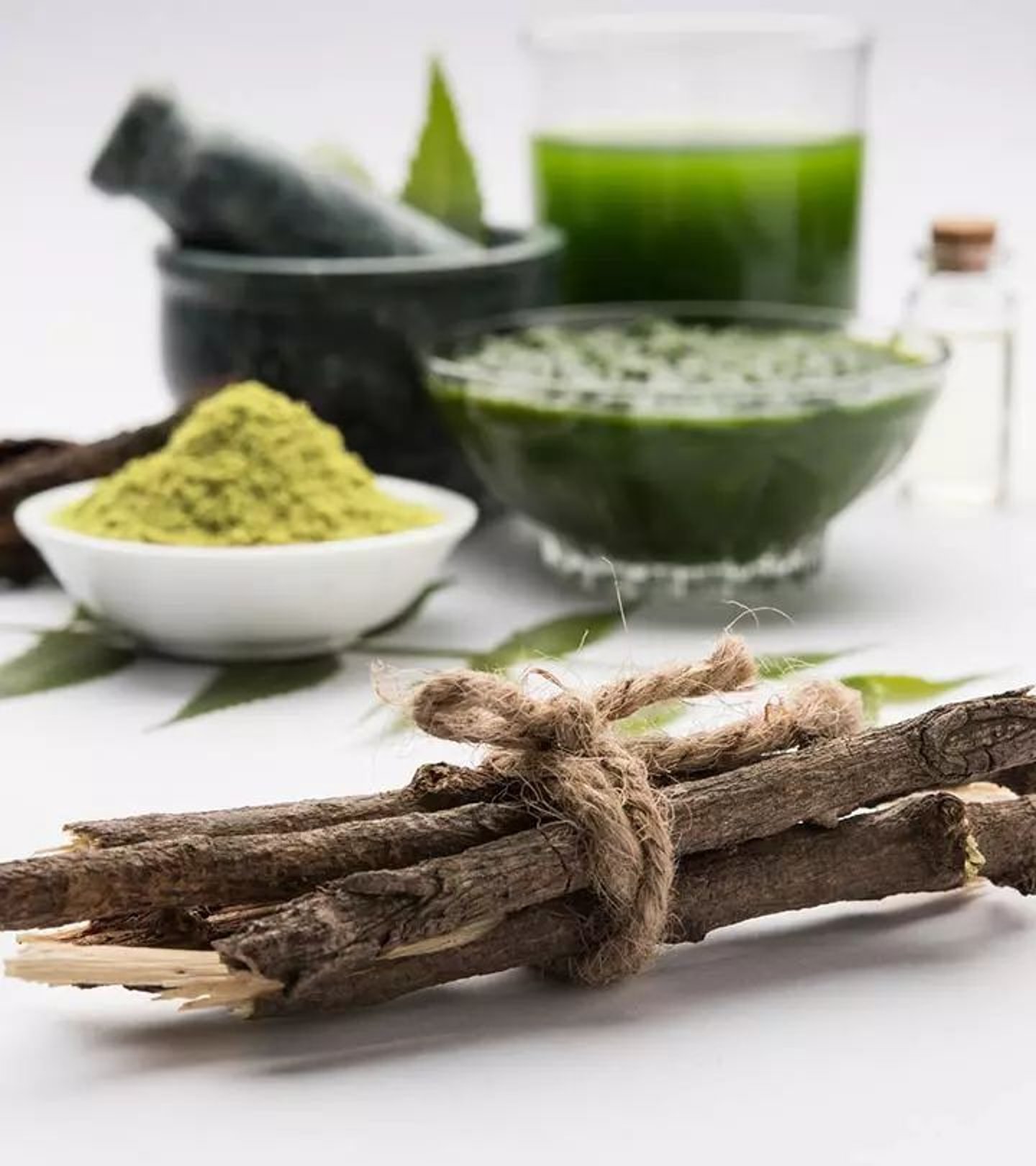
The practice of using neem twigs for dental care dates back to Vedic times. The Charaka Samhita specifically recommends neem for "Danta Dhavana" - the traditional teeth cleaning method that predates modern toothbrushes by thousands of years.
Traditional Tooth Stick Usage (Neem Datun)
Selection Criteria:
Choose a fresh twig of little finger thickness
Length: 9 inches (as per classical texts - "Nav Angul")
From a healthy, disease-free tree
Morning harvest preferred
Avoid old, dried, or diseased twigs
Preparation Method:
Wash the twig thoroughly
Peel one end (about 1 inch)
Chew the peeled end to form soft bristles
Use gentle circular motions to clean teeth
The natural juices work as medicine
Proper Technique:
Brush for 5-10 minutes
Clean tongue with the unpeeled end
Rinse mouth thoroughly
Use fresh twig daily for best results
Benefits According to Ayurveda:
Danta Shuddi - Cleanses teeth
Danta Dridha - Strengthens teeth
Mukha Shuddhi - Purifies mouth
Nasya Karma - Clears nasal passages (indirect benefit)
Modern Scientific Validation:
Natural fluoride content
Antibacterial compounds (nimbidin)
Anti-inflammatory properties
Prevents dental caries
Reduces plaque by 50-60%
Eliminates bad breath (halitosis)
Strengthens gums
Prevents bleeding gums
Classical Verse: "Nimba danta dhavane shreshtha, danta roga vinashanam" Translation: "Neem is supreme for tooth cleaning, destroyer of dental diseases"
Neem Bark: Medicinal Applications
The bark (Tvak) contains concentrated medicinal compounds and is especially valued for:
1. Wound Healing and Skin Disorders (Vrana Ropana)
Ancient Surgical Practice: Sushruta used neem bark decoction for wound washing 2,500 years ago.
Modern Application:
For Non-Healing Wounds (Dushta Vrana):
Bark decoction wash twice daily
Promotes granulation tissue formation
Prevents infection
Reduces foul odor from wounds
Skin Conditions Treated:
Chronic ulcers (especially diabetic ulcers)
Bed sores (pressure ulcers)
Post-surgical wound healing
Burns (first and second degree)
Eczematous eruptions
2. Digestive Health and Parasites (Krimighna Karma)
Intestinal Parasite Elimination:
Classical Protocol:
Neem bark powder: 1-2 grams
Mix with buttermilk or warm water
Take early morning on empty stomach
Continue for 7-10 days
Effective Against:
Roundworms (Ascaris)
Tapeworms (Cestodes)
Thread worms (Enterobius)
Giardia (protozoan parasite)
Appetite Stimulation (Deepana):
Small doses (500 mg) before meals
Enhances digestive fire without increasing acidity
Useful in loss of appetite
Particularly good for children (under supervision)
Hyperacidity Management:
Paradoxically, despite being bitter
Small doses provide cooling effect
Reduces burning sensation
Balances Pitta in stomach
3. Antimalarial and Antipyretic (Vishama Jwara Nashana)
Traditional Formulation for Persistent Fever:
Preparation:
Boil all ingredients together
Reduce to 100 ml
Strain and divide into two doses
Take warm, twice daily
Benefits:
Reduces fever effectively
Eliminates toxins (Ama Pachana)
Supports immune function
Antimalarial properties
Historical Significance: Before quinine, neem bark was the primary antimalarial treatment in India.
4. Anti-inflammatory Applications (Shotha Hara)
Joint Pain and Arthritis:
Bark decoction for external fomentation
Reduces swelling in joints
Alleviates pain
Improves mobility
Gum Inflammation:
Bark decoction for gargling
Reduces gingivitis
Strengthens gums
Prevents tooth decay
6. Neem Seeds and Oil: Medicinal Applications
Neem Seeds (Beeja): Nature's Potent Medicine
Ayurvedic texts describe neem seeds as highly concentrated with medicinal properties, requiring careful processing and usage. The kernel inside the hard seed coat contains the most potent compounds.
Warning: Neem seeds are extremely potent and should only be used under expert guidance for internal consumption.
Neem Oil (Taila): The Healing Elixir
Neem oil is mentioned in classical texts as "Nimba Taila" and has remarkable therapeutic properties. The quality depends heavily on the extraction method.
Types of Neem Oil
1. Cold-Pressed Neem Oil (Best Quality):
2. Traditionally Extracted (Ghani Method):
3. Solvent-Extracted:
Medicinal Applications of Neem Oil
1. Skin Disease Management (Kushtha Chikitsa)
External Application Conditions
Eczema and Dermatitis (Vicharchika):
Mix neem oil with coconut oil (1:4 ratio)
Apply twice daily
Reduces itching within 3-5 days
Healing visible in 2-3 weeks
Continue for 6-8 weeks for chronic cases
Psoriasis (Ek Kushtha):
Neem oil + turmeric oil combination
Apply on affected patches
Cover with a light bandage
Reduces scaling and inflammation
Fungal Infections (Dadru):
Pure neem oil application (can be undiluted)
Athlete's foot, ringworm, jock itch
Apply 2-3 times daily
Usually resolves in 1-2 weeks
Scabies (Kacchu):
Full body application of diluted neem oil
Leave for 30 minutes, wash with neem soap
Daily for 1 week
Highly effective traditional treatment
2. Hair and Scalp Health (Kesha Vardhana)
Ancient Hair Care Wisdom
Dandruff Elimination (Darunaka Nashana):
Massage neem oil into scalp
Leave overnight (or minimum 2 hours)
Wash with herbal shampoo
Twice weekly for active dandruff
Weekly for maintenance
Head Lice Treatment (Yuka Nashana):
Apply generous neem oil to hair and scalp
Comb through with fine-toothed comb
Cover with shower cap, leave 4-6 hours
Wash thoroughly
Repeat after 7 days
More effective and safer than chemical treatments
Hair Growth Promotion:
Regular neem oil massage improves circulation
Nourishes hair follicles
Prevents premature graying (traditional belief)
Strengthens hair roots
3. Joint and Muscle Pain (Sandhivata Chikitsa)
Arthritis Management
Massage Protocol (Abhyanga):
Warm neem oil (not hot)
Massage affected joints in circular motion
10-15 minutes daily
Best before bath in morning
Reduces inflammation and pain
Enhanced Formulation:
Neem oil: 50 ml
Sesame oil: 50 ml
Eucalyptus oil: 5-10 drops
Camphor: small piece (optional)
Heat gently together, cool, store
Muscular Pain (Mamsa Shoola):
Apply warm neem oil
Gentle massage
Improves blood circulation
Reduces stiffness
4. Nail Fungus Treatment
Protocol:
Apply pure neem oil to affected nails
Twice daily (morning and night)
Takes 6-12 weeks for complete resolution
Very effective for stubborn nail fungus
Prevention of spread to other nails
Traditional Uses of Neem Flowers
1. Spring Detoxification (Vasant Rutu Shodhana)
Cultural Tradition: Across India, consuming neem flowers during spring is an age-old practice tied to seasonal health wisdom.
Ugadi/Gudi Padwa Tradition:
Bevu Bella (Kannada) or Neem-Gud (Hindi)
Mixture of neem flowers and jaggery
Symbolizes life's bitter-sweet nature
Consumed on New Year (March-April)
Purifies blood after winter
Health Benefits:
Cleanses accumulated winter toxins (Ama)
Prepares body for summer heat
Prevents seasonal allergies
Boosts immunity for the changing season
Traditional preventive medicine
2. Digestive Bitter Tonic (Pachana Deepana)
Digestive Action:
Stimulates digestive fire (Agni)
Eliminates intestinal parasites
Reduces bloating and gas
Improves appetite
Cleanses intestinal walls
3. Neem Flower Rasayana
(Rejuvenating Preparation)
Health Benefits:
Enhances immunity
Improves complexion
Increases vitality
Anti-aging properties
Traditional spring tonic
4. Blood Purification (Rakta Shodhaka)
Neem Fruits (Phala): The Concentrated Medicine
Neem fruits ripen during the summer months (May-June) and contain the highest concentration of bitter compounds (Nimbin, Nimbidinin). They are small, olive-like drupes that turn from green to yellow when ripe.
Medicinal Applications of Neem Fruits
Warning: Fruits are extremely bitter and potent. Use with caution and expert guidance.
1. Severe Parasitic Infections (Krimi Nashana)
When Seeds/Bark are Insufficient:
Fruit pulp for stubborn worm infestations
More potent than leaves or bark
Quick action (2-3 days)
Requires careful dosing
2. Urinary Disorders (Mutravaha Srotas Vikara)
Kidney Support:
Supports kidney function
Diuretic properties
Flushes urinary system
Urinary Tract Infections:
Fruit juice with water
Reduces burning sensation
Antimicrobial action
Cooling effect on urinary system
3. Blood Disorders (Rakta Vikara)
Hemorrhoids (Arsha):
Fruit paste external application
Reduces swelling
Stops bleeding
Internal consumption in small doses
Excessive Menstrual Bleeding (Raktapradar):
Dried fruit powder: 500 mg
With honey, twice daily
Regulates menstrual flow
Use under expert guidance
Bleeding Disorders (Rakta Pitta):
Cooling effect despite bitter taste
Stops internal bleeding
Strengthens blood vessels
7. Neem Flowers and Fruits: Hidden Treasures
Neem Flowers (Pushpa): Spring's Medicinal Gift
Neem flowers bloom during the Chaitra month (March-April) and are considered especially purifying during this season. The small, white, honey-scented blossoms are not just beautiful but also powerfully medicinal.


Conclusion to Part 1
This concludes Part 1 of our comprehensive guide to Neem in Ayurveda, covering its fundamental healing properties, traditional preparations, and medicinal applications.
Share this ancient wisdom with others! Pin, bookmark, or share to help spread traditional healing knowledge.
Have questions about using Neem? Leave a comment below, and we'll help guide you on your natural healing journey.