Dehydration Signs & Ayurvedic Treatment Guide
Discover the signs of dehydration and its treatment in Ayurveda. Learn Ayurvedic wellness tips for effective hydration by balancing your digestive fire, ensuring true cellular moisture absorption.
HEALTH
3/12/20267 min read
Signs of Dehydration and Ayurvedic Treatment
Have you ever finished your recommended eight glasses of water for the day yet still felt drained and noticed your skin looking dull? It is a common frustration that highlights a critical misunderstanding about health: there is a vast difference between simply drinking water and actually absorbing it. While modern advice often focuses strictly on volume, Ayurvedic tradition suggests that true hydration depends entirely on your body's ability to process that liquid effectively at a cellular level.
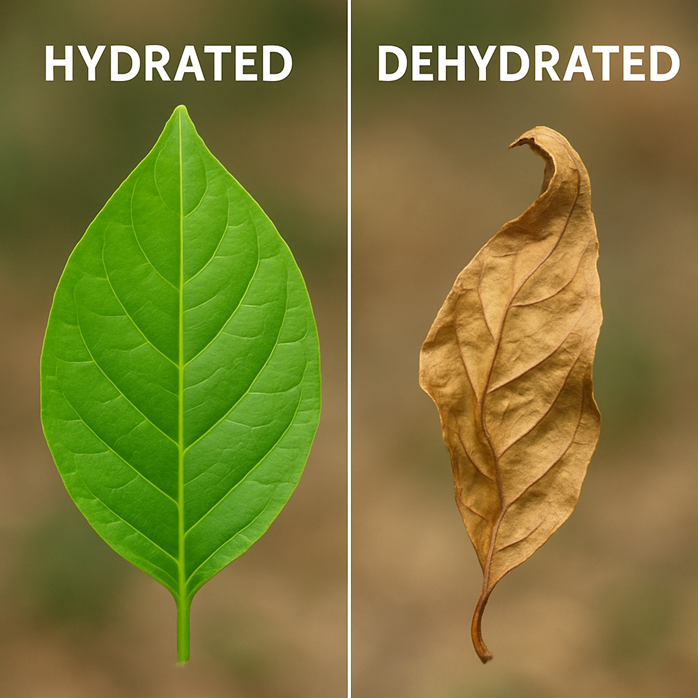
Think of your body like a garden bed during a drought. If the soil is hard and baked clay, pouring a bucket of cold water over it results in runoff rather than nourishment for the roots. In Ayurveda, the mechanism that softens this "soil" and allows moisture to enter your cells is called Agni, or your digestive fire. When this internal fire is weak or unbalanced, even high water intake can leave you feeling bloated yet biologically parched because the fluid isn't reaching where it is needed most.
Many people unknowingly worsen the situation by chugging ice-cold beverages that actually dampen this necessary digestive warmth. The role of agni in maintaining body fluids shifts the focus from how much you drink to how you digest. By exploring the specific signs of dehydration and Ayurvedic treatments, you can move beyond temporary thirst quenching to achieve lasting, systemic moisture that energizes your entire system.
Identifying the Subtle SOS: Signs of Dehydration Beyond a Dry Throat
Most of us grab a glass of water only when our mouth feels like sandpaper, but Ayurveda views this sensation as the final alarm, not the first warning. When the body's natural urge for water becomes unquenchable or distorted, it is known as Trishna Roga (pathological thirst). This condition signals that your deep tissues are parched, much like soil that has become so dry it repels rain rather than absorbing it. Ignoring these early whispers allows dryness to settle deeper into the body, affecting everything from your skin texture to your mood.
Internal dryness often manifests as noise before it manifests as pain. If your knees pop when you stand up or your neck crunches when you turn your head, your body is essentially crying out for lubrication. These auditory cues suggest that the fluid cushioning your joints is depleting, creating friction similar to an unoiled hinge. This systematic drying out affects more than just flexibility; it impacts how you think and feel throughout the day.
Dehydration shrinks our mental capacity, leading to that familiar afternoon slump where focus evaporates. Beyond the obvious urge to drink, watch for these subtle biological SOS signals:
Cracking joints indicates low synovial fluid.
Dry, gritty eyes even after blinking.
Persistent brain fog or difficulty recalling words.
Constipation or hard, dry elimination.
Afternoon energy crashes that coffee can't fix.
Recognizing these signs is vital, but resolving them requires more than just increasing volume; it requires a functioning digestive fire to actually process that fluid.
You might think hydration is as simple as filling a gas tank, but your body operates more like a sophisticated kitchen than a passive vessel. For water to actually nourish your deep tissues, it must be processed by your Agni, or digestive fire, which transforms raw liquid into usable cellular moisture. When this metabolic flame is weak, drinking excessive amounts of water can result in bloating rather than hydration, as the fluid sits in your stomach unprocessed instead of being transported to the cells that need it most.
Modern habits often sabotage this delicate absorption process, particularly through the widespread consumption of ice-cold beverages. Dousing your system with freezing liquid dampens your internal heat, constricting blood vessels and preventing the fluid from reaching the cellular level. Just as cold water fails to clean greasy dishes effectively, ice water solidifies toxins in the digestive tract, whereas warm fluids encourage flow and clear obstructions.
Sipping warm water between meals supports the vital role of agni in maintaining body fluids without extinguishing your digestive power. This method ensures you are truly absorbing what you drink rather than just flushing it through your system. Yet, even with perfect temperature, the way dehydration feels varies significantly from person to person, requiring a look at your specific elemental makeup.
Is Your Dehydration Airy, Fiery, or Heavy? Mapping Thirst to Your Dosha
Not all thirst is created equal. While standard medical advice treats everybody as a generic vessel, Ayurveda recognizes that your dominant elemental energy—or Dosha—dictates exactly how your system loses moisture and signals distress. Recognizing these distinct signs of dehydration in Ayurveda allows you to customize your intake rather than just drinking blindly.
By observing your specific symptoms, you can identify which internal element is out of balance:
Vata (Air/Space): Dehydration feels like "drying out." You experience rough skin, constipation, anxiety, and scattered energy.
Pitta (Fire/Water): Dehydration feels like "burning up." Common symptoms of pitta aggravation and water loss include acid reflux, reddish urine, irritability, and skin rashes.
Kapha (Earth/Water): Dehydration feels like "stagnation." You may actually feel heavy, lethargic, or bloated, as the body hoards fluids incorrectly.
If you find yourself snapping at coworkers or overheating easily, you are likely dealing with the fiery nature of Pitta. Learning how to balance pitta dosha for hydration involves more than just volume; you need cooling properties like cucumber or lime to settle the fire, whereas Vata types need warmth and oils. However, regardless of your type, water alone is rarely enough to replenish what is lost, especially when you need to recharge your body's electrical system.
Better Than Sports Drinks: The Ayurvedic Guide to Natural Electrolyte Solutions
Most people reach for a neon-colored sports drink when they feel depleted, but these modern "recovery" beverages are often loaded with refined sugars and artificial dyes that can actually disturb your digestive fire (Agni). Ayurvedic vs modern electrolyte solutions differ fundamentally in their approach: while commercial drinks rely on glucose spikes to force energy, Ayurveda uses specific herbs to improve how your cells accept moisture. It is not enough to simply flood the body with fluid; you must ensure the water carries the right energetic quality to be absorbed rather than just passing straight through.
For deep cellular thirst, practitioners have relied for centuries on a medicated preparation called Shadanga Paniya (Six-Herb Water). This traditional formula is designed to cool the body, digest toxins, and relieve excessive thirst without extinguishing your metabolic fire. To make Shadanga Paniya at home, simply boil water with these six ingredients until the liquid reduces by half:
Musta (Nut Grass): Regulates body temperature and aids digestion.
Parpataka (Fumitory): Reduces internal burning sensations and fever.
Ushira (Vetiver): Deeply cools the blood and skin.
Chandana (White Sandalwood): Soothes excessive heat (Pitta) and inflammation.
Udichya (Coleus Vettiveroides): Balances digestive fire and settles the stomach.
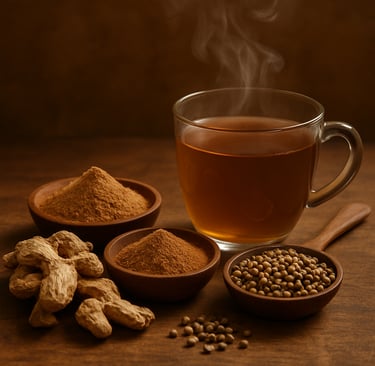
Shunti (Dry Ginger): Improves absorption without overheating the system.
Even if you cannot source every herb on this list, the principle remains valuable: herbal infusions for electrolyte balance work best when they are slightly warm and processed to aid digestion. You don't always need a complex pharmacy to achieve this effect, however, sometimes the most potent remedies are already sitting in your spice rack.
The 'Agni' Connection: Why Your Digestive Fire Dictates Your Water Intake
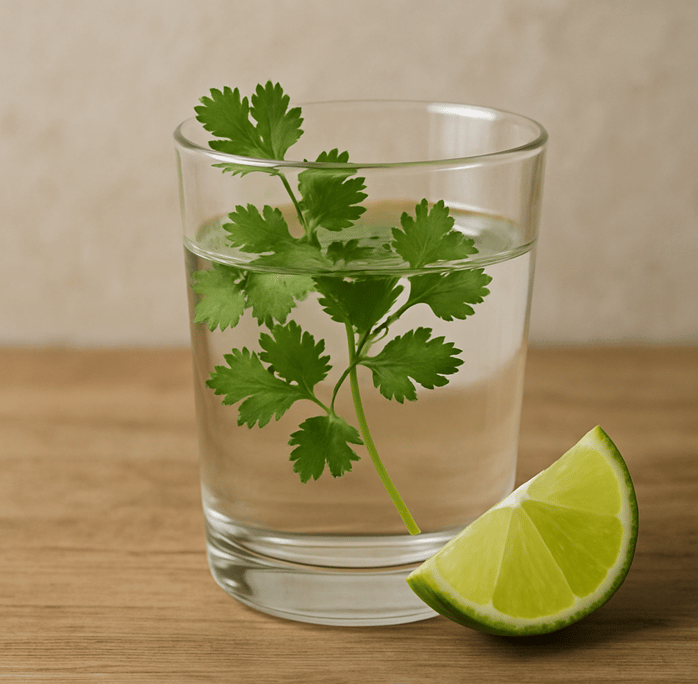
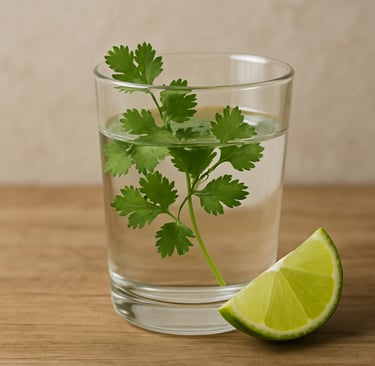
You might associate coriander seeds primarily with savory curries, but they are also nature’s internal cooling system for an overheated body. In Ayurveda, the benefits of coriander water for rehydration extend beyond simple thirst quenching; this cold infusion actively draws excess heat (Pitta) out of the tissues, relieving the burning sensations and irritability that often accompany severe dehydration. To create this remedy, known traditionally as Dhanyaka Hima, simply crush two tablespoons of seeds, soak them in a glass of water overnight, and strain the liquid the next morning for a drink that soothes the system far more effectively than iced tap water.
When outdoor temperatures spike, and you feel the onset of fatigue, nature provides a near-perfect electrolyte match in the form of tender coconut. The medicinal properties of tender coconut water in Ayurveda are revered because the liquid is Sheetala (cooling) and instantly bioavailable, meaning your body absorbs it without requiring significant digestive effort. It serves as one of the most potent cooling Ayurvedic herbs for heat stroke or exhaustion, but adding a small pinch of rock salt or a squeeze of lime can further enhance its absorption, ensuring the fluid anchors into your cells rather than flushing straight through your system.
If tropical coconuts aren't available, you can still transform ordinary tap water into a therapeutic beverage by adding simple digestive aids like fennel seeds. These additions break the surface tension of the fluid and stimulate Agni (digestive fire) just enough to process the moisture, a crucial strategy within a hydrating Ayurvedic diet for summer exhaustion. By turning plain water into a medicated nectar, you prepare your internal landscape to hold moisture long-term, setting the stage for consistent daily habits that prevent dryness before it begins.
Transforming your hydration levels isn't just about volume; the mechanics of consumption play a massive role in how your body utilizes fluid. A practical guide to the Ayurvedic lifestyle for preventing dehydration emphasizes that standing while gulping water rushes fluid through the digestive tract, disrupting Agni (digestive fire) and preventing proper cellular absorption. Instead, sitting down signals the nervous system to relax, allowing moisture to anchor into tissues rather than flushing straight to the bladder.
To integrate these principles into a sustainable routine, look beyond simple intake and focus on traditional Indian medicine for chronic dehydration. Adopt the practice of Ushapan—drinking warm water immediately upon waking to flush toxins—and follow these ayurvedic wellness tips to ensure your body actually absorbs what you drink:
Sit Down: Never drink while standing, walking, or driving.
Sip Slowly: Treat water like hot tea, taking small sips rather than gulping.
Morning. First: Rehydrate before coffee or food (Ushapan).
Meal Gap: Stop drinking 30 minutes before and after eating to preserve digestive strength.
Your Path to a Juicier Life: Transforming Your Relationship with Water
You can now move beyond simply counting cups to ensuring true absorption. Start today by sipping warm water to stoke your digestion, adding a pinch of rock salt or lime for retention, and snacking on juicy fruits. These natural ways to restore body fluids in Ayurveda prioritize quality over quantity, turning your body into rich, absorbent soil rather than a dry sieve.
By observing the subtle signs of dehydration and applying Ayurvedic treatments, you shift your health from brittle to vibrant. Look for glowing skin and steady mental clarity as your new metrics for success, proving that when you treat water as a nutrient, your internal garden finally thrives.

Kitchen Remedies: From Coriander Water to Tender Coconut Magic
The Daily Hydration Ritual: Small Habits for Lasting Elemental Balance