10 Early Warning Signs of Vitamin B12 Deficiency
Discover the top 10 early symptoms of vitamin B12 deficiency that you should never ignore. Learn how a lack of B12 affects energy, nerves, and mood.
Ayurovia Editior
3/15/20264 min read
10 Early Symptoms of Vitamin B12 Deficiency You Should Never Ignore
Vitamin B12 is one of those nutrients that quietly does a great deal of work in the background. It helps keep your nerves healthy, supports your body in making red blood cells, and promotes healthy brain function. When your levels dip too low, your body starts sending out signals—and knowing how to read those signals early can make a real difference.
B12 deficiency is more common than most people realize. Vegetarians, older adults, and anyone with a digestive condition are particularly at risk. The good news is that when caught early, it is very manageable. This article walks you through the warning signs to watch for and what you can do about them.
What Exactly Is Vitamin B12?
Vitamin B12-also called cobalamin-is a water-soluble vitamin your body needs to function properly. It plays a direct role in producing healthy red blood cells, maintaining the myelin sheath that protects your nerves, synthesizing DNA, and converting food into usable energy.
Here is the catch: your body cannot make B12 on its own. You have to get it from the food you eat or from supplements, which is why deficiency is so common among those who avoid animal products or have trouble absorbing nutrients.
10 Early Warning Signs You Should Not Ignore
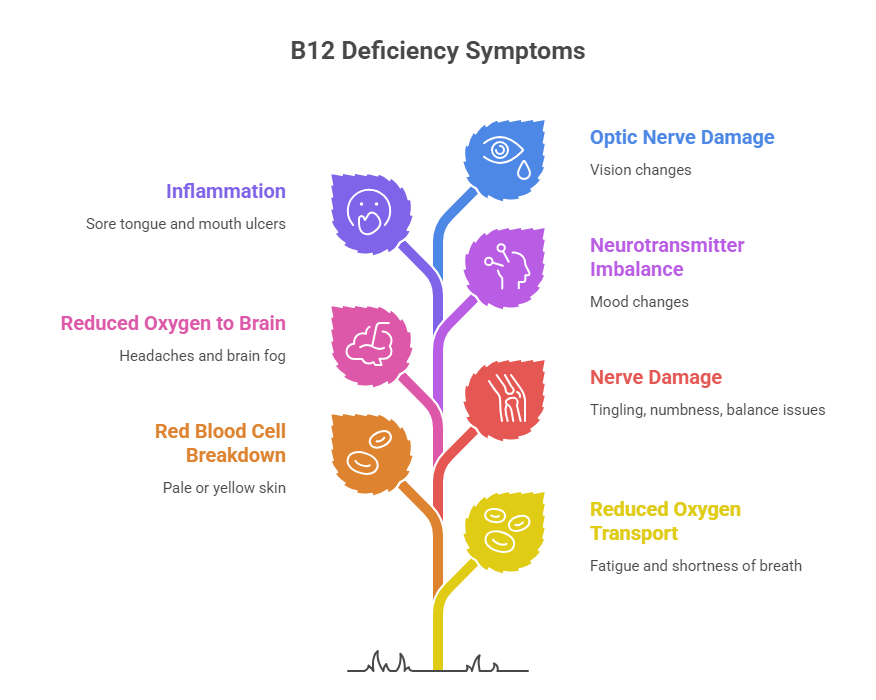
1. Persistent Fatigue and Weakness
Feeling tired no matter how much sleep you get is one of the first signs that something may be off. Without adequate B12, your body struggles to produce enough healthy red blood cells to transport oxygen efficiently, leaving you feeling drained even after a full night's rest.
2. Pale or Slightly Yellow Skin
A noticeable paleness or a faint yellowish tint to the skin can indicate B12 deficiency. This happens when red blood cells break down faster than normal, releasing a yellow pigment called bilirubin into the bloodstream.
3. Shortness of Breath
When there are not enough red blood cells to carry oxygen around the body, even mild physical activity, like climbing stairs or a short walk, can leave you feeling breathless.
4. Tingling or Numbness in the Hands and Feet
B12 is essential for healthy nerve function. Without enough of it, nerve fibers can become damaged over time, causing a pins-and-needles sensation or numbness, particularly in the extremities.
5. Frequent Headaches
Recurring headaches or migraines can sometimes be traced back to low B12 levels. Reduced oxygen delivery to the brain is often the underlying cause.
6. Difficulty Concentrating or 'Brain Fog.'
Struggling to think clearly, losing your train of thought, or finding it hard to remember things are all signs that your brain may not be getting the nutrients it needs. People with B12 deficiency often describe this as a foggy or sluggish mental state.
7. Mood Changes
B12 plays a role in producing the neurotransmitters that regulate mood, including serotonin and dopamine. Low levels have been linked to irritability, low mood, anxiety, and, in some cases, depression.
8. A Sore or Inflamed Tongue (Glossitis) and Mouth Ulcers
Glossitis-a swollen, red, and painful tongue-is a classic sign of B12 deficiency. Some people also develop small mouth ulcers or a burning sensation inside the mouth.
9. Changes in Vision
In less common cases, B12 deficiency can affect the optic nerve, leading to blurry or distorted vision. This is more likely if the deficiency has gone unaddressed for a prolonged period.
10. Problems with Balance and Coordination
Nerve damage from long-term B12 deficiency can affect your ability to coordinate movement or maintain balance. If you notice unexplained clumsiness or unsteadiness, it is worth getting your levels checked.
4. Use Supplements When Needed
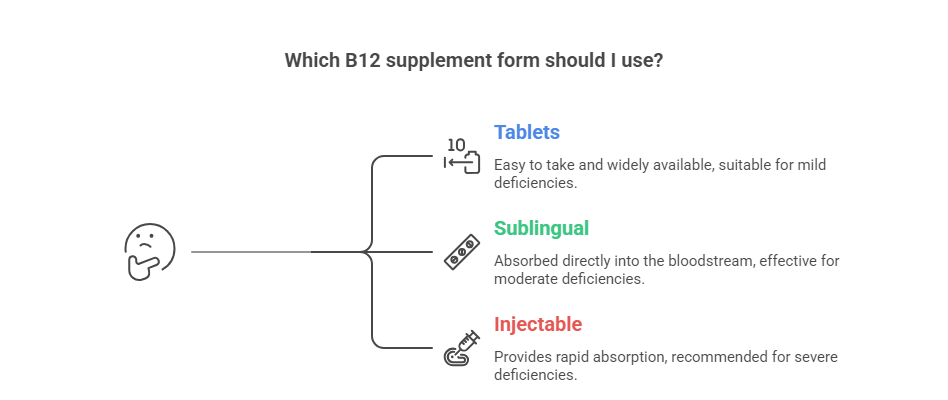
If your diet alone is not meeting your needs, B12 supplements are widely available and generally well tolerated. They come in tablet, sublingual (under-the-tongue), and injectable forms-the right option will depend on the severity of your deficiency and your doctor's advice.
How to Boost Your Vitamin B12 Levels
1. Add B12-Rich Foods to Your Diet
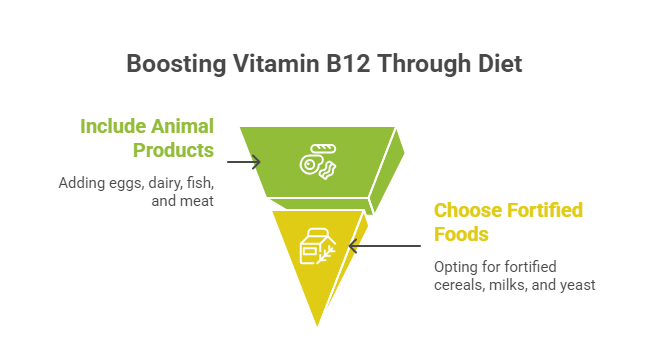
The most natural way to raise B12 levels is through your diet. Good sources include eggs, dairy products such as milk, cheese, and yogurt, fish and shellfish, and meat. If you follow a plant-based diet, look for fortified foods such as breakfast cereals, plant-based milks, and nutritional yeast.
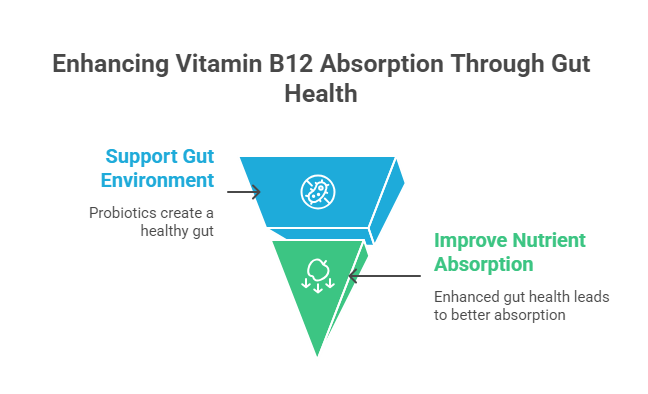
2. Support Your Gut Health
Good absorption starts in the gut. Including fermented foods like yogurt, kefir, idlis, and kimchi in your regular diet can help support a healthy gut environment and improve your body's ability to absorb nutrients.
3. Consider Ayurvedic Support
Some traditional Ayurvedic herbs-including Ashwagandha and Amla-are thought to support overall vitality and digestive health, which may complement efforts to improve nutrient absorption. Always speak to a qualified practitioner before adding new herbs to your routine.



When Should You See a Doctor?
If you are experiencing several of the symptoms listed above - especially fatigue combined with neurological signs like tingling or balance problems - it is important to see a healthcare professional. A simple blood test can confirm your B12 levels and guide the right course of action.
Early treatment is key. Prolonged deficiency, especially when it affects the nervous system, can take time to reverse. The sooner you address it, the better your chances of a full recovery.
Final Thoughts
Vitamin B12 might be small in quantity, but its impact on your health is anything but minor. From your energy levels to your mood to your nerve function, it touches almost every aspect of how you feel day to day.
The most important takeaway is this: pay attention to the signals your body sends. If something feels persistently off - unusual tiredness, tingling, brain fog, or low mood - it is worth investigating. A balanced diet, good gut health, and prompt medical attention when needed are your best tools for keeping B12 levels where they should be.
Disclaimer- Always consult a qualified healthcare professional for personalised medical advice.